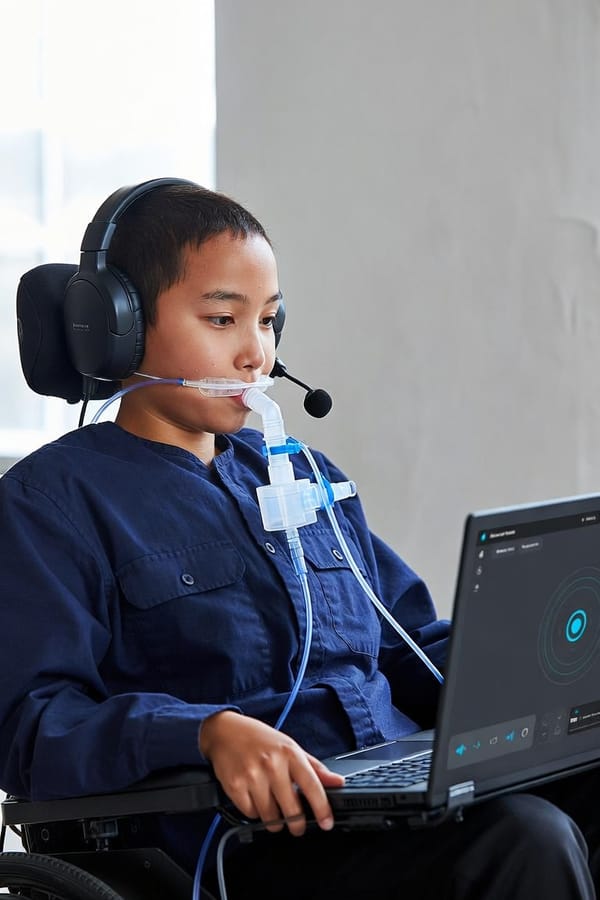
AI-Powered Emergency Support Systems for Wheelchair Users

Overview
Technology is transforming the way people live, communicate, and stay safe. For individuals with mobility challenges, modern innovations are creating greater independence and peace of mind than ever before. One of the most impactful advancements is the rise of AI-powered emergency support systems designed specifically for wheelchair users. These intelligent systems use artificial intelligence, voice assistants, sensors, automation, and real-time monitoring to provide immediate help during emergencies.
Today, emergency support for wheelchair users is no longer limited to traditional alarms or manual calls for help. AI-enabled devices can detect falls, monitor unusual behavior, send alerts to caregivers, provide medication reminders, and even control smart home devices through voice commands. These systems empower wheelchair users to live more confidently while reducing dependence on constant physical assistance.
Brands like VXNEO are helping redefine accessibility with voice-enabled solutions that make emergency communication easier, faster, and more reliable. From smart home integration to AI-driven health alerts, the future of independent living is becoming smarter and safer every day.
Understanding AI-Powered Emergency Support Systems
AI-powered emergency systems combine multiple technologies to create a connected safety network. These systems are designed to recognize danger, respond quickly, and notify the right people during emergencies.
Unlike traditional emergency devices, AI systems can learn user habits and identify unusual situations. For example, if a wheelchair user usually moves around the house during certain hours but suddenly becomes inactive for an extended period, the system may send an alert to caregivers or family members.
Modern emergency support for wheelchair users includes:
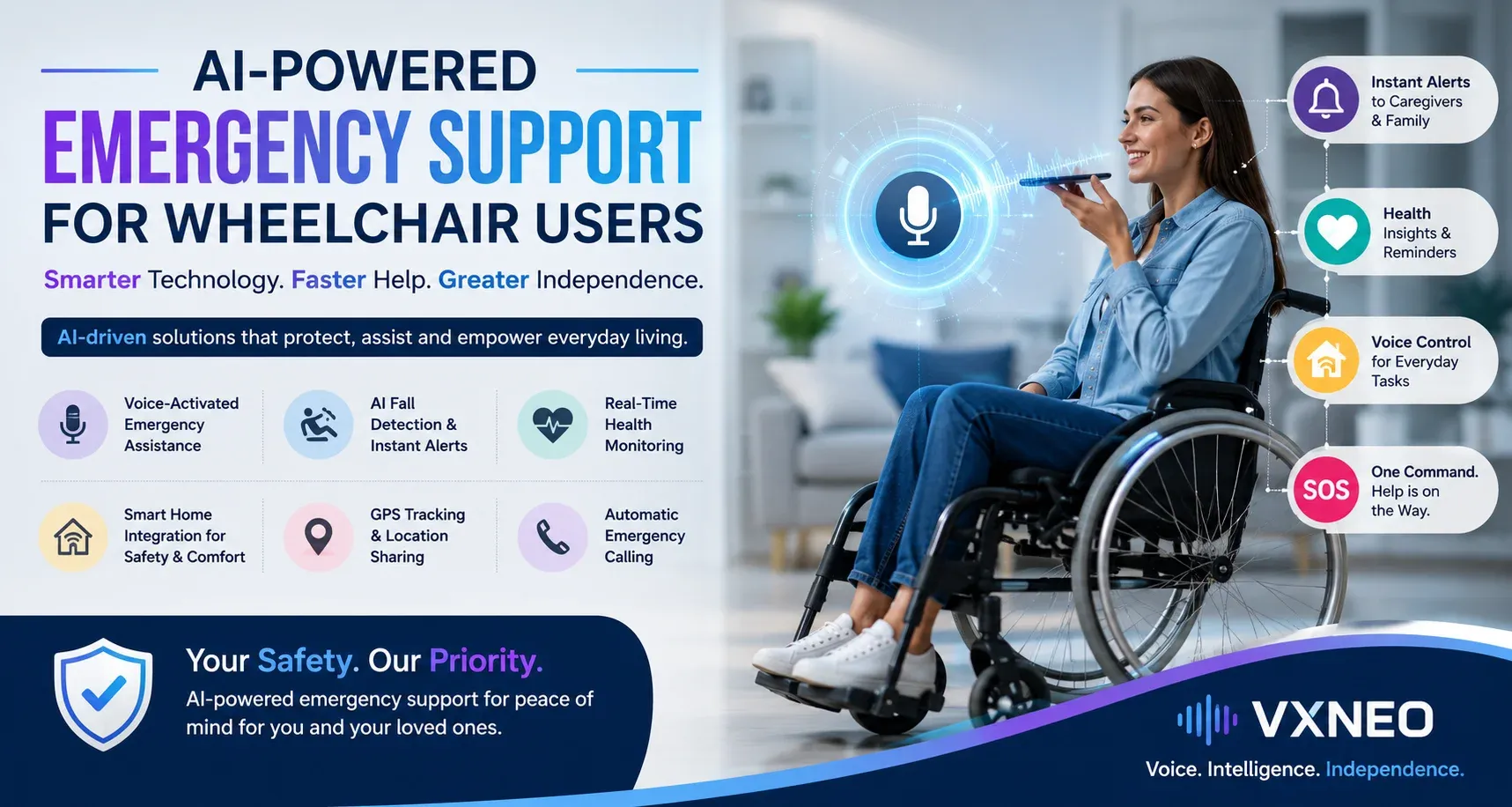
- Voice-activated emergency assistance
- Fall detection sensors
- Smart home automation
- GPS tracking and location sharing
- Health monitoring devices
- AI-powered predictive alerts
- Automatic emergency calling systems
These features work together to create a safer environment while allowing users to maintain independence.
Why Emergency Support Matters for Wheelchair Users
Wheelchair users may face unique challenges during emergencies such as:
- Difficulty reaching phones or alarm systems
- Limited mobility during accidents
- Higher risk during falls or medical emergencies
- Challenges evacuating during fires or disasters
- Delayed response times when living alone
AI technology addresses these challenges by enabling instant communication and automated assistance. Reliable emergency support for wheelchair users ensures help is available even when the user cannot physically access a device.
For many families, these systems also reduce anxiety. Caregivers gain reassurance knowing they can receive immediate alerts if something goes wrong.
Key Features of AI-Powered Emergency Support Systems
1. Voice-Activated Emergency Assistance
Voice control is one of the most important accessibility features. Wheelchair users can activate emergency services simply by speaking commands such as:
- “Call emergency services”
- “Send help”
- “Notify my caregiver”
AI voice assistants can operate even when the user cannot physically reach a phone or button. Systems like VXNEO are designed to understand commands quickly and respond instantly.
Voice-enabled emergency support for wheelchair users is especially helpful during medical emergencies, falls, or panic situations.
2. Smart Fall Detection
Falls are a major concern for many individuals with mobility limitations. AI-powered systems use sensors, cameras, and wearable devices to detect sudden movement changes or impacts.
When a fall is detected, the system can:
- Trigger an emergency alert
- Contact caregivers
- Share GPS location
- Activate voice communication
- Call emergency responders automatically
Advanced AI can even reduce false alarms by distinguishing between normal movement and actual emergencies.
3. Smart Home Integration
AI emergency systems often connect with smart home devices, creating a safer living environment.
Features may include:
- Automatic door unlocking for emergency responders
- Smart lighting during emergencies
- Voice-controlled appliances
- Automated smoke and fire alerts
- Smart wheelchair charging reminders
For wheelchair users, controlling the environment through voice commands improves both safety and convenience.
4. Real-Time Health Monitoring
Many AI systems now integrate with wearable health devices that monitor:
- Heart rate
- Blood pressure
- Oxygen levels
- Sleep patterns
- Physical activity
If unusual readings are detected, alerts can be sent immediately to healthcare providers or family members.
This proactive approach helps prevent serious medical emergencies before they escalate.
5. GPS Tracking and Location Sharing
Outdoor safety is equally important. AI-powered emergency systems can track user locations in real time.
This feature is especially useful when:
- Traveling alone
- Using public transportation
- Navigating unfamiliar places
- Experiencing emergencies outdoors
Location-sharing technology improves emergency support for wheelchair users by ensuring responders can quickly find the user when assistance is needed.
Benefits of AI Emergency Systems for Wheelchair Users
Greater Independence
AI systems allow wheelchair users to perform daily tasks and access emergency help without relying entirely on caregivers. This independence improves confidence and quality of life.
Faster Emergency Response
During emergencies, every second matters. AI systems reduce response times by automatically contacting emergency services and caregivers.
Increased Safety at Home
Smart home integration creates a safer environment with automated monitoring and instant alerts.
Reduced Caregiver Stress
Family members and caregivers often worry about loved ones living independently. AI-powered systems provide reassurance through continuous monitoring and instant notifications.
Personalized Assistance
Artificial intelligence can learn routines, preferences, and behaviors over time. This allows systems to provide more personalized support and identify unusual patterns.
The Role of Voice Assistants in Emergency Support
Voice assistants are becoming central to accessible technology. They provide hands-free communication and simplify emergency response.
A smart voice assistant like VXNEO can help wheelchair users by:
- Calling emergency contacts
- Setting medication reminders
- Controlling smart home devices
- Providing weather alerts
- Managing schedules
- Answering questions instantly
Voice technology makes emergency support for wheelchair users more accessible because users do not need to physically interact with screens or buttons.
This is especially valuable for individuals with limited upper-body mobility or medical conditions affecting movement.
AI and Predictive Emergency Detection
One of the most exciting advancements in AI is predictive analytics. Instead of simply reacting to emergencies, AI systems can predict potential risks.
For example, AI may recognize:
- Changes in movement patterns
- Signs of fatigue
- Increased fall risk
- Unusual health readings
- Behavioral changes
These predictive capabilities help prevent emergencies before they happen.
Future AI systems may become even more advanced, offering real-time recommendations and personalized health insights for wheelchair users.
Challenges and Considerations
While AI-powered systems offer many advantages, there are still challenges to address.
Privacy Concerns
Some systems use cameras, microphones, and health monitoring devices. Protecting user privacy and data security is essential.
Internet Dependence
Many AI systems rely on internet connectivity. Poor network access may affect system performance during emergencies.
Cost and Accessibility
Advanced smart systems can be expensive. Increasing affordability will help more people access these life-changing technologies.
Training and Ease of Use
Technology should remain simple and user-friendly. Systems designed for wheelchair users must prioritize accessibility and ease of operation.
The Future of AI Emergency Support
The future of AI-powered accessibility technology looks promising. Innovations in machine learning, robotics, and smart home automation will continue improving safety and independence.
Future systems may include:
- AI-powered robotic assistants
- Advanced health prediction models
- Emotion recognition for mental health support
- Autonomous mobility assistance
- Enhanced voice recognition technology
As technology evolves, emergency support for wheelchair users will become more intelligent, reliable, and personalized.
Companies focusing on inclusive innovation are helping create a world where accessibility is built into everyday technology rather than treated as an afterthought.
How VXNEO Supports Independent Living
VXNEO represents a modern approach to accessible voice technology. By combining voice assistance, smart home integration, and emergency support features, VXNEO helps wheelchair users maintain independence and safety.
Key capabilities include:
- Hands-free emergency communication
- Smart reminders and alerts
- Voice-controlled home devices
- Easy caregiver connectivity
- Entertainment and information access
Technology like VXNEO demonstrates how AI can empower users while simplifying daily living.
Conclusion
AI-powered emergency support systems are transforming accessibility for wheelchair users. These intelligent technologies provide faster emergency response, increased independence, and greater peace of mind for both users and caregivers.
From voice assistants and fall detection to smart home automation and predictive health monitoring, AI is reshaping the future of safety and independent living. Reliable emergency support for wheelchair users is becoming more accessible and effective through innovation.
As AI technology continues to evolve, solutions like VXNEO will play an increasingly important role in creating inclusive environments where wheelchair users can live confidently, safely, and independently.
FAQ
1. What is an AI-powered emergency support system?
An AI-powered emergency support system uses artificial intelligence, sensors, voice technology, and automation to detect emergencies and provide immediate assistance.
2. How does emergency support for wheelchair users work?
These systems use voice commands, health monitoring devices, smart sensors, and emergency alerts to provide fast support during medical or safety emergencies.
3. Can voice assistants help wheelchair users during emergencies?
Yes. Voice assistants allow users to call for help, contact caregivers, control smart devices, and access emergency services hands-free.
4. Are AI emergency systems safe and reliable?
Modern systems are designed with advanced safety features and real-time monitoring. However, users should choose trusted brands and maintain secure internet connections.
5. What are the benefits of AI-powered accessibility technology?
Benefits include greater independence, faster emergency response, improved home safety, caregiver peace of mind, and personalized support.
6. Can AI systems detect falls automatically?
Yes. Many systems use AI-powered sensors and wearables to detect falls and send alerts automatically.
7. Is VXNEO suitable for wheelchair users?
VXNEO is designed to provide accessible voice assistance, smart home control, reminders, and emergency support features that help improve independent living.