How Voice Assistants Improve Life for Disabled Individuals

Overview
Technology has transformed the way people communicate, work, and manage daily tasks. Among the most impactful innovations are voice assistants, which are helping millions of individuals live more independently and comfortably. For people with disabilities, these tools are not just convenient gadgets — they are life-changing solutions that improve accessibility, safety, and confidence in everyday life.
Today, the demand for a voice assistant for disabled people is growing rapidly as smart technology becomes more accessible and affordable. From controlling lights and appliances to setting reminders, making calls, and accessing emergency support, voice-enabled systems are making daily activities easier than ever.
One emerging name in this space is VXNEO, a smart voice assistant platform designed to deliver accessibility-focused features for users who need hands-free support and smarter living solutions.
The Growing Importance of Voice Technology in Accessibility
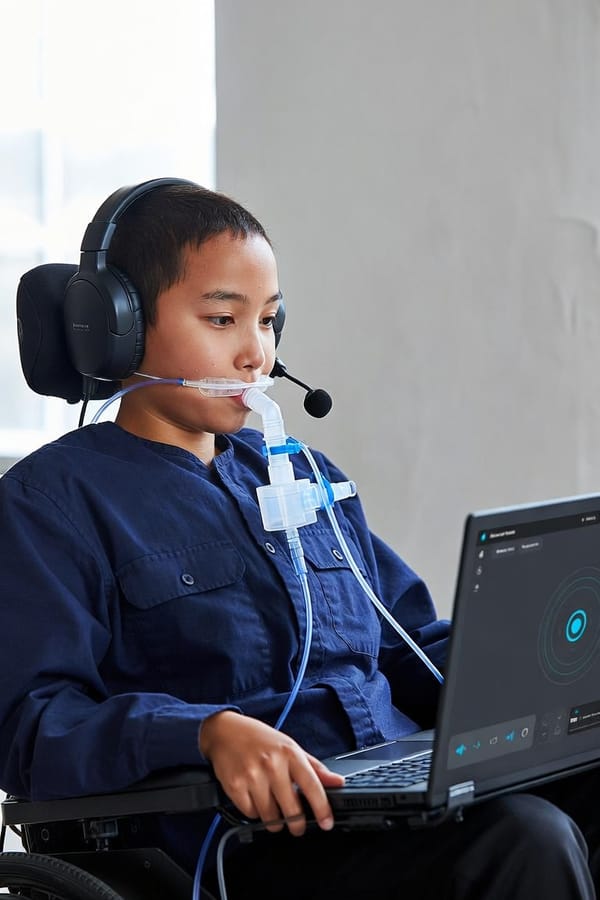
People living with physical disabilities, visual impairments, mobility challenges, or age-related limitations often face difficulties performing routine tasks. Traditional interfaces like keyboards, switches, and touchscreens may not always be practical or comfortable.
This is where a voice assistant for disabled people becomes extremely valuable. By using simple voice commands, users can interact with devices without needing physical effort.
Voice technology is improving accessibility in several areas:
- Smart home control
- Medication reminders
- Emergency communication
- Entertainment access
- Online shopping assistance
- Mobility support
- Daily routine management
The rise of AI-powered voice assistants has helped bridge the gap between technology and accessibility, allowing disabled individuals to enjoy greater independence.
VXNEO: A Smart Voice Assistant Designed for Accessibility
Among modern smart assistant brands, VXNEO stands out as a promising accessibility-focused solution.
VXNEO is designed to simplify daily living through advanced voice recognition, smart automation, and user-friendly controls. Its hands-free functionality makes it particularly useful for individuals with mobility issues, visual impairments, or elderly users who require assistance throughout the day.
Key Features of VXNEO
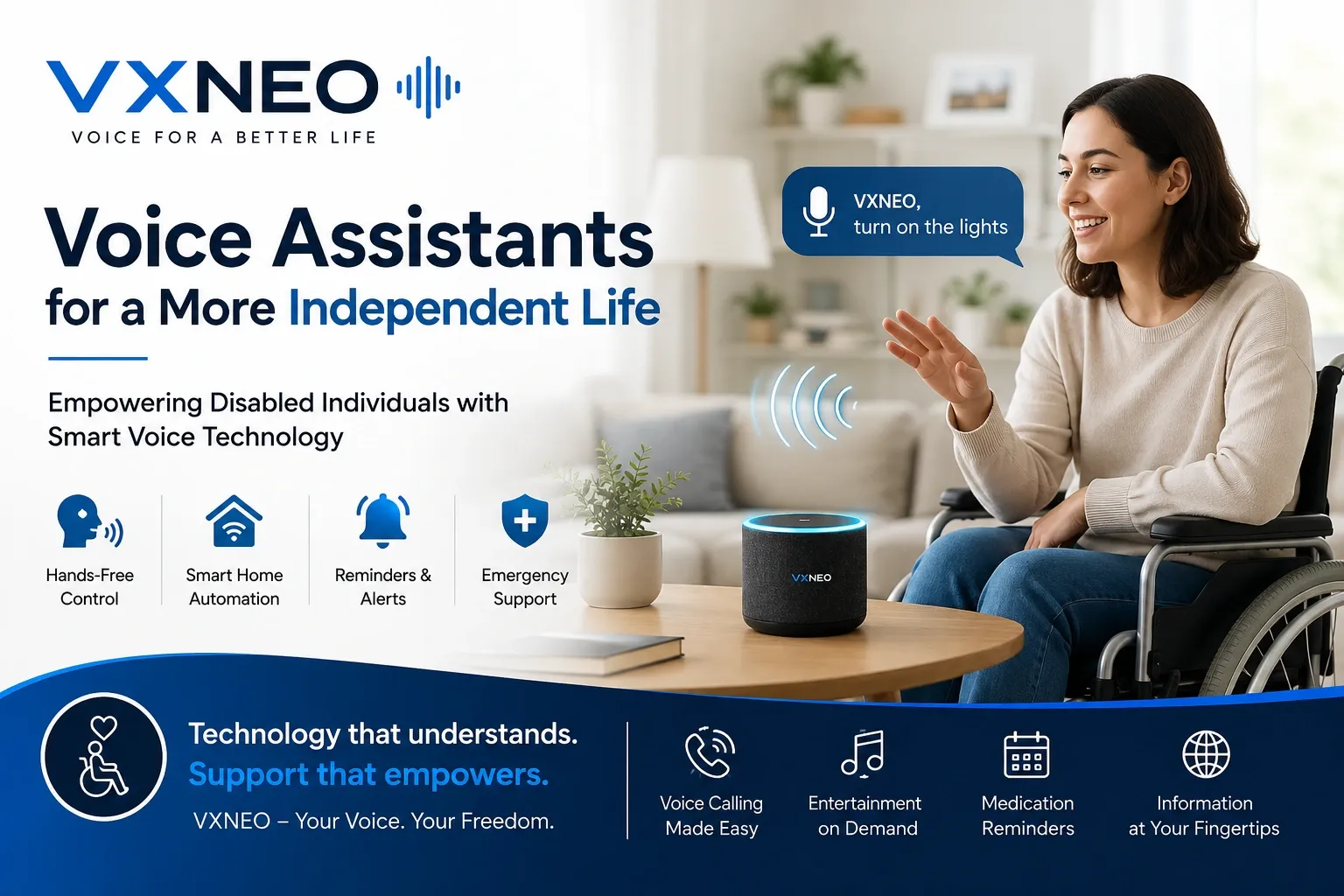
1. Hands-Free Smart Home Control
VXNEO allows users to operate smart devices using only voice commands. Users can:
- Turn lights on or off
- Control fans and air conditioners
- Manage smart TVs
- Lock or unlock doors
- Operate curtains and appliances
This level of automation reduces physical strain and increases independence.
2. Emergency Assistance Support
Safety is one of the biggest concerns for disabled individuals living alone. VXNEO can help users quickly contact family members or caregivers through voice-triggered emergency commands.
For example:
- “Call emergency contact”
- “Send help alert”
- “Notify caregiver”
Such features can provide peace of mind for both users and families.
3. Medication and Appointment Reminders
People managing medical conditions often require regular reminders for medicines and doctor appointments. VXNEO can schedule:
- Medication alerts
- Therapy reminders
- Exercise schedules
- Doctor visit notifications
This helps users maintain consistent healthcare routines.
4. Entertainment and Communication
A voice assistant for disabled people should also improve quality of life through entertainment and communication. VXNEO supports:
- Music playback
- Audiobooks
- Voice calling
- News updates
- Podcasts
- Weather information
Users can stay connected and entertained without struggling with complex interfaces.
Benefits of Voice Assistants for Disabled Individuals
Increased Independence
One of the greatest benefits of voice technology is independence. Tasks that once required assistance can now be completed through simple voice instructions.
A reliable voice assistant for disabled people enables users to manage daily routines without relying heavily on caregivers or family members.
Better Accessibility for Visually Impaired Users
Visually impaired individuals benefit significantly from voice-based systems. Instead of navigating screens, users can:
- Listen to messages
- Search information online
- Make phone calls
- Control smart devices
- Hear reminders aloud
This creates a more inclusive digital experience.
Enhanced Mobility Support
People with mobility limitations often struggle with repetitive physical tasks. Voice assistants reduce the need for movement by enabling remote control of devices throughout the home.
This makes a voice assistant for disabled people especially useful for wheelchair users, arthritis patients, and individuals recovering from injuries.
Reduced Stress and Improved Confidence
Living with disabilities can sometimes create frustration around dependency and accessibility barriers. Smart voice systems reduce these challenges by making interactions simpler and faster.
When users can independently manage tasks like lighting, communication, and reminders, it improves emotional well-being and confidence.
How AI is Making Voice Assistants Smarter
Artificial Intelligence has significantly improved voice assistant technology over the past few years. Modern systems now understand:
- Natural conversations
- Different accents
- Contextual requests
- Personalized preferences
AI-powered assistants like VXNEO continue learning user behavior to provide more accurate and customized support.
Future innovations may include:
- Emotion detection
- Health monitoring integration
- Predictive assistance
- Advanced accessibility personalization
These developments will make voice technology even more powerful for disabled users.
Choosing the Right Voice Assistant
When selecting a voice assistant for disabled people, it is important to consider:
Ease of Use
The interface and commands should be simple and intuitive.
Accessibility Features
Look for:
- Voice customization
- Emergency support
- Smart home integration
- Reminder systems
Compatibility
Ensure the assistant works with existing smart devices and mobile systems.
Privacy and Security
Voice assistants should include strong privacy protections and secure data handling.
VXNEO combines these important features into one accessible smart assistant ecosystem.
The Future of Accessibility Technology
Accessibility technology is evolving rapidly, and voice assistants are becoming central to independent living. As AI continues advancing, these systems will become more responsive, personalized, and human-like.
The future of a voice assistant for disabled people goes beyond convenience — it represents equal access to technology, communication, and modern living.
Brands like VXNEO are helping shape a future where smart technology empowers everyone, regardless of physical limitations.
Conclusion
Voice assistants are revolutionizing accessibility and independent living for disabled individuals. From smart home automation to emergency support and healthcare reminders, these technologies are helping users live safer, easier, and more connected lives.
As demand for accessibility-focused innovation grows, platforms like VXNEO are leading the way with smarter and more inclusive solutions. A well-designed voice assistant for disabled people can reduce daily challenges, improve confidence, and create a more independent lifestyle for millions around the world.
Technology should work for everyone — and voice assistants are bringing us closer to that goal every day.
FAQs
1. What is a voice assistant for disabled people?
A voice assistant for disabled people is a smart AI-powered system that helps users perform tasks using voice commands instead of physical interaction.
2. How do voice assistants help people with disabilities?
Voice assistants help by enabling hands-free control of smart devices, reminders, communication, emergency support, and easier access to information.
3. Is VXNEO suitable for elderly and disabled users?
Yes, VXNEO offers accessibility-focused features like voice control, reminders, smart home automation, and emergency assistance support.
4. Can voice assistants improve independent living?
Absolutely. Voice assistants reduce dependence on caregivers by helping users manage daily tasks independently.
5. Are voice assistants safe to use?
Most modern voice assistants include privacy and security settings to protect user data and voice interactions.