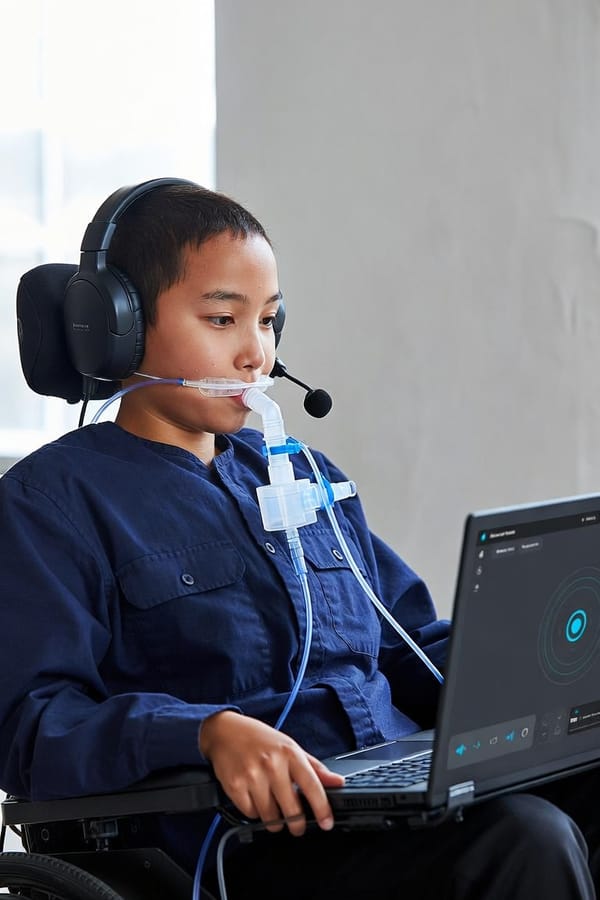
AI-Powered Post-Surgery Patient Care Solutions | How AI and Smart Devices Are Transforming Recovery
Overview
Recovering after surgery can be physically and emotionally challenging, especially for elderly patients who require continuous monitoring and support. Modern healthcare innovations are transforming recovery experiences through intelligent monitoring systems, remote healthcare solutions, and connected medical devices.
Today, post surgery patient care technology is helping patients recover more safely and comfortably from home while reducing hospital readmissions. At the same time, the rise of AI for elderly care and smart devices for seniors is improving patient independence, caregiver support, and healthcare efficiency.
In this blog, we will explore how advanced healthcare technologies are revolutionizing post-operative care, improving recovery outcomes, and creating smarter healthcare ecosystems for patients and caregivers.
Table of Contents
- Understanding the Importance of Post-Surgery Care
- The Growing Role of Technology in Healthcare Recovery
- AI for Elderly Care in Post-Surgery Recovery
- Benefits of Post Surgery Patient Care Technology
- Remote Monitoring and Telehealth Solutions
- How AI Reduces Caregiver Burden
- Challenges in Technology Adoption
- Future of AI for Elderly Care and Smart Recovery Systems
- Why Businesses Should Invest in Healthcare Technology
- How VXNEO Is Transforming Post-Surgery Patient Care
- Conclusion
- FAQs
How AI and Smart Devices Are Transforming Recovery
Recovering after surgery is often one of the most sensitive phases in a patient’s healthcare journey. Whether it is a minor operation or a major procedure, post-operative recovery requires consistent monitoring, timely medication, emotional support, and proper communication between patients, caregivers, and healthcare professionals. Traditionally, this process depended heavily on hospital visits, manual care, and family support. However, technology is now transforming how recovery is managed.
Today, healthcare providers are rapidly adopting post surgery patient care technology to improve recovery outcomes, reduce hospital readmissions, and provide patients with safer and more comfortable healing experiences at home. From wearable monitoring systems to AI-powered health assistants, modern innovations are changing patient care across all age groups, especially for senior citizens.
The rise of AI for elderly care and smart devices for seniors has made remote patient monitoring easier, more accurate, and highly personalized. These technologies not only improve convenience but also help patients regain independence during recovery.
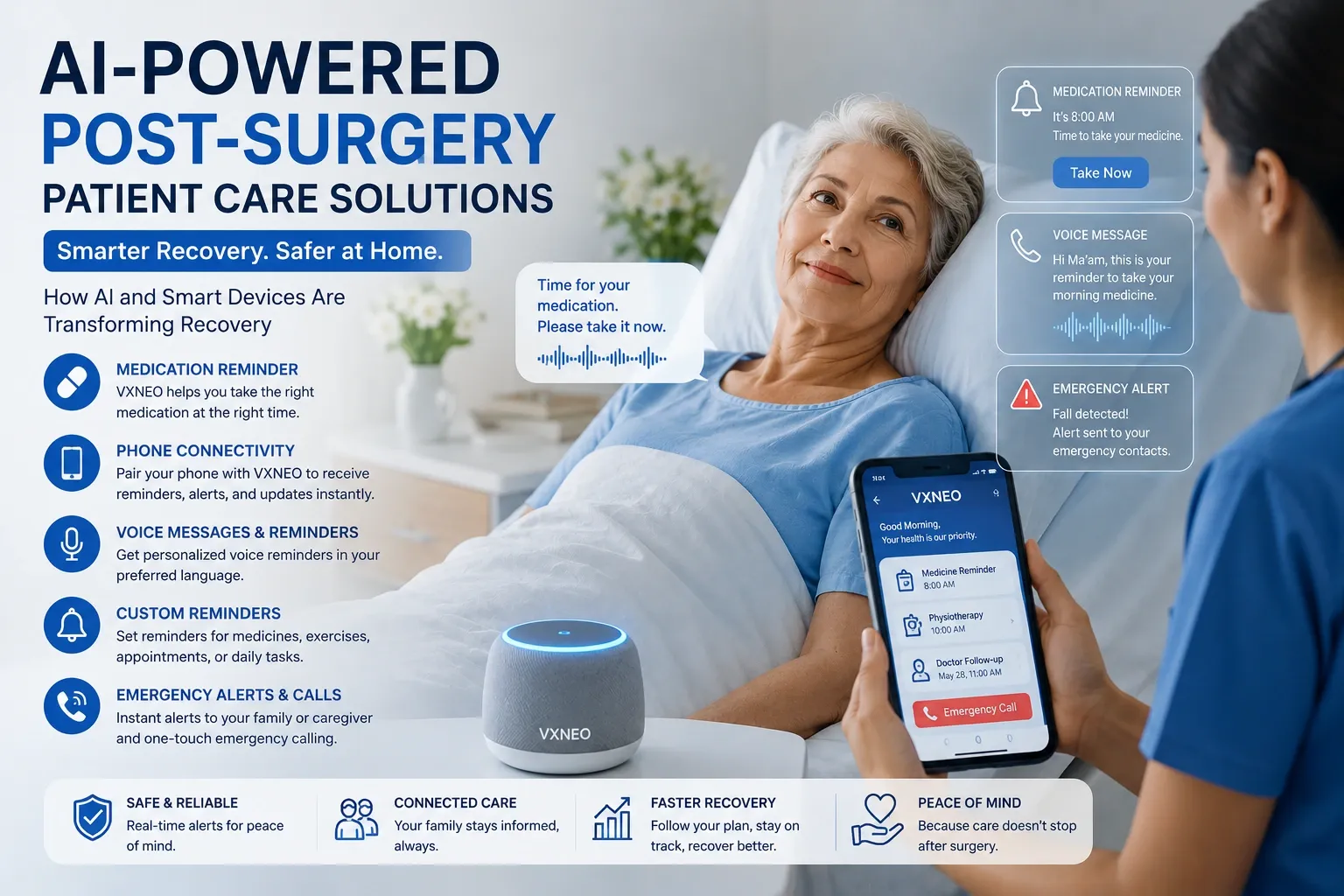
In this blog, we will explore how technology solutions are revolutionizing post-operative care, the role of artificial intelligence in recovery management, and how smart healthcare devices like VXNEO are empowering elderly patients.
Understanding the Importance of Post-Surgery Care
The period after surgery is critical because patients are vulnerable to infections, medication complications, mobility limitations, and emotional stress. Proper care during this stage directly affects healing speed and long-term health outcomes.
Common challenges faced during recovery include:
- Missing medications
- Difficulty in movement
- Delayed wound monitoring
- Lack of caregiver availability
- Increased risk for elderly patients
- Anxiety and emotional stress
- Frequent hospital visits
This is where post surgery patient care technology plays an important role. Modern healthcare systems now use digital monitoring tools, AI-driven healthcare platforms, and remote support systems to provide better recovery experiences.
Technology allows doctors and caregivers to monitor patients remotely while helping patients recover comfortably at home.
The Growing Role of Technology in Healthcare Recovery
Healthcare technology has evolved significantly over the last decade. Hospitals and healthcare providers are increasingly investing in digital healthcare ecosystems that support patients beyond hospital walls.
Some major advancements include:
- Remote patient monitoring
- AI-powered healthcare assistants
- Smart wearable devices
- Telemedicine consultations
- Medication reminder systems
- Automated emergency alerts
- Digital rehabilitation programs
These solutions reduce pressure on hospitals while improving patient engagement and recovery outcomes.
For elderly patients, these innovations are even more valuable because seniors often require extended monitoring and assistance after surgery.
The integration of AI for elderly care has enabled healthcare providers to identify potential health risks before they become emergencies.
AI for Elderly Care in Post-Surgery Recovery
Artificial intelligence is becoming a major component of modern healthcare systems. AI can analyze patient data, predict risks, monitor behavioral changes, and provide personalized care recommendations.
1. Predictive Health Monitoring
AI systems can track vital signs such as:
- Heart rate
- Oxygen levels
- Blood pressure
- Temperature
- Sleep patterns
By analyzing this data continuously, AI tools can identify abnormalities early and alert caregivers or doctors immediately.
For example, if a patient’s heart rate suddenly increases or oxygen levels drop, the system can generate an emergency alert.
This proactive monitoring significantly improves patient safety.
2. Medication Management
One of the biggest recovery challenges for elderly patients is medication adherence. Missing doses or taking incorrect medications can delay recovery.
Modern AI for elderly care platforms provide:
- Automated reminders
- Voice-based medication alerts
- Smart pill dispensers
- Caregiver notifications
These systems reduce medication errors and ensure proper treatment continuity.
3. Fall Detection and Emergency Assistance
Falls are common among seniors recovering from surgery.
AI-powered monitoring systems combined with smart devices for seniors can detect falls automatically and notify emergency contacts instantly.
This feature is especially useful for patients living alone.
4. Personalized Recovery Plans
AI systems can create customized recovery schedules based on:
- Surgery type
- Patient age
- Medical history
- Mobility levels
- Recovery progress
This personalized approach helps improve recovery outcomes while reducing unnecessary hospital visits.
Smart Beds and Mobility Support
Recovery after surgery often limits movement.
Advanced smart beds now include:
- Pressure monitoring
- Adjustable positioning
- Sleep tracking
- Fall prevention alerts
Similarly, mobility-support technologies such as smart walkers and sensor-enabled wheelchairs improve safety during movement.
Voice Assistants for Elderly Patients
Voice-enabled systems are making healthcare more accessible for seniors.
Patients can use voice commands to:
- Call caregivers
- Set reminders
- Contact emergency services
- Play guided therapy sessions
- Schedule doctor appointments
This is particularly beneficial for patients with limited mobility.
Smart Home Integration
Smart homes are becoming an important part of post surgery patient care technology.
Connected systems can automate:
- Lighting
- Temperature control
- Security monitoring
- Door access
- Emergency alerts
These technologies reduce physical strain while improving comfort and independence.
Benefits of Post Surgery Patient Care Technology
The adoption of healthcare technology provides multiple advantages for patients, caregivers, and healthcare providers.
Faster Recovery
Continuous monitoring helps doctors identify complications early, leading to faster treatment and improved healing.
Reduced Hospital Readmissions
Remote monitoring reduces unnecessary hospital visits and prevents avoidable complications.
Improved Patient Independence
Patients can recover comfortably at home without constant physical supervision.
Better Communication
Technology enables seamless communication between:
- Doctors
- Patients
- Nurses
- Family caregivers
Lower Healthcare Costs
Digital healthcare systems reduce hospitalization expenses and emergency care costs.
Enhanced Safety for Seniors
The combination of AI for elderly care and smart devices for seniors improves overall patient safety and confidence.
Remote Monitoring and Telehealth Solutions
Telehealth has become one of the most important components of modern healthcare.
Patients recovering from surgery can now connect with doctors remotely through:
- Video consultations
- Health tracking apps
- AI-powered symptom checkers
- Digital therapy sessions
Remote healthcare systems save time and reduce travel-related stress for elderly patients.
Healthcare professionals can review patient progress without requiring in-person visits.
This is especially useful for:
- Orthopedic surgeries
- Cardiac recovery
- Knee replacement recovery
- Rehabilitation programs
The combination of telehealth and post surgery patient care technology is improving accessibility for patients worldwide.
How AI Reduces Caregiver Burden
Family caregivers often experience stress and burnout while managing post-operative recovery.
AI-driven healthcare systems simplify caregiving through:
- Automated health tracking
- Real-time notifications
- Digital health reports
- Medication reminders
- Emergency response systems
These technologies allow caregivers to monitor patients remotely without constant manual supervision.
This creates peace of mind while ensuring patients receive consistent care.
Challenges in Technology Adoption
Although healthcare technology offers major benefits, some challenges still exist.
Technology Learning Curve
Many elderly patients may initially struggle to use digital systems.
Healthcare companies must focus on creating user-friendly interfaces.
Data Privacy Concerns
Healthcare systems collect sensitive patient data.
Strong cybersecurity measures are essential to protect patient privacy.
Internet Dependency
Remote healthcare systems require stable internet connectivity for smooth performance.
Cost of Advanced Devices
Some advanced healthcare technologies may still be expensive for certain families.
However, as adoption increases, costs are expected to become more affordable.
Future of AI for Elderly Care and Smart Recovery Systems
The future of healthcare technology is highly promising.
Emerging innovations include:
- AI-powered robotic caregivers
- Advanced predictive healthcare analytics
- Smart rehabilitation systems
- Virtual reality therapy
- IoT-connected healthcare ecosystems
- Automated patient recovery tracking
The demand for AI for elderly care will continue to rise as aging populations increase globally.
Similarly, healthcare providers will continue investing in smart devices for seniors to improve patient independence and quality of life.
Future healthcare systems will become more preventive, personalized, and accessible.
Why Businesses Should Invest in Healthcare Technology
Healthcare technology companies have significant opportunities in the post-surgery care industry.
The increasing adoption of:
- Remote monitoring systems
- AI healthcare platforms
- Smart home healthcare devices
- Wearable health technology
is creating strong market demand.
Businesses investing in post surgery patient care technology can contribute to better patient outcomes while building scalable healthcare solutions.
Companies that focus on user-friendly healthcare systems for seniors will have strong long-term growth opportunities.
How VXNEO Is Transforming Post-Surgery Patient Care
VXNEO is helping improve post-surgery patient care by combining AI-powered monitoring, smart assistance, and elderly-friendly technology solutions to support safer and faster recovery at home. Through intelligent health tracking, medication reminders, emergency support features, and easy-to-use smart devices, VXNEO helps patients and caregivers stay connected throughout the recovery journey. The platform is especially beneficial for seniors and patients with limited mobility, as it reduces dependency on constant physical supervision while ensuring timely care and monitoring. By using modern healthcare technology, VXNEO aims to make post-operative recovery more comfortable, secure, and efficient for both patients and their families.
Conclusion
Technology is reshaping healthcare recovery in remarkable ways. From AI-driven monitoring systems to wearable healthcare devices, modern solutions are helping patients recover safely, comfortably, and independently.
The growing importance of post surgery patient care technology is improving healthcare accessibility while reducing hospital dependency.
At the same time, innovations in AI for elderly care and smart devices for seniors are making healthcare more personalized and efficient for aging populations.
As technology continues evolving, post-surgery recovery will become smarter, faster, and more patient-focused than ever before.
Healthcare providers, caregivers, and technology companies all have an important role in building a safer and more connected recovery ecosystem for patients worldwide.
Request a Demo
Looking to improve patient recovery experiences with intelligent healthcare solutions?
Discover how AI-powered monitoring systems, smart healthcare devices, and remote patient care technology can transform post-surgery recovery for patients and caregivers.
Schedule a Free Demo Today
- Remote Patient Monitoring
- AI Health Assistance
- Smart Elderly Care Solutions
- Medication Management Systems
- Emergency Alert Integration
- Telehealth Support
Contact us today to explore modern healthcare technology solutions tailored for post-surgery care.
Frequently Asked Questions (FAQs)
1. What is post surgery patient care technology?
Post surgery patient care technology includes digital healthcare tools, AI systems, wearable devices, and remote monitoring platforms designed to support patient recovery after surgery.
2. How does AI help elderly patients after surgery?
AI for elderly care helps monitor health conditions, provide medication reminders, detect falls, and alert caregivers during emergencies.
3. What are smart devices for seniors?
Smart devices for seniors include wearable health trackers, smartwatches, emergency alert systems, smart beds, and voice-enabled healthcare assistants.
4. Can remote monitoring reduce hospital visits?
Yes, remote patient monitoring allows healthcare professionals to track recovery progress from home, reducing unnecessary hospital visits.
5. Are healthcare monitoring devices safe for seniors?
Most modern healthcare devices are designed with user-friendly interfaces and safety features specifically for elderly patients.
6. What are the benefits of AI-powered healthcare systems?
AI-powered systems improve patient monitoring, reduce recovery risks, support caregivers, and provide personalized healthcare recommendations.
7. Why are smart healthcare solutions important for elderly care?
Elderly patients often require continuous monitoring and assistance after surgery. Smart healthcare solutions improve safety, independence, and recovery outcomes.
8. What is the future of post-surgery healthcare technology?
The future includes AI-powered recovery systems, robotic healthcare assistance, smart rehabilitation programs, and highly connected remote monitoring ecosystems.